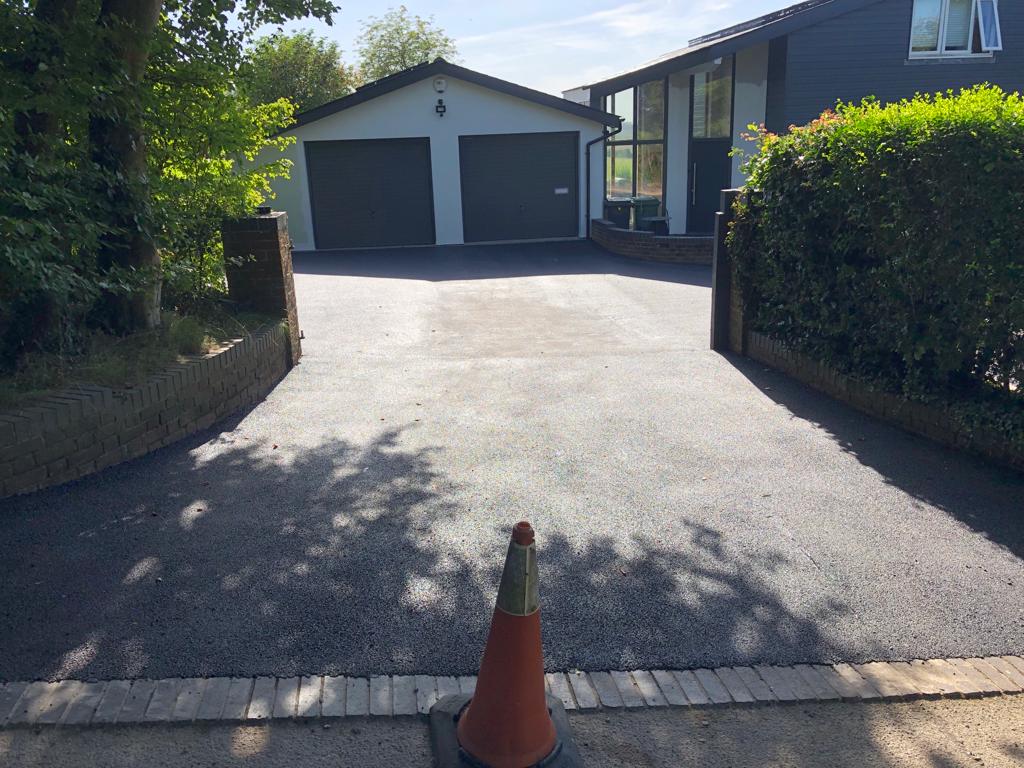
No two properties place exactly the same demands on an asphalt surface. A private driveway used by a small number of vehicles has different requirements from a busy access area, while a hardstand regularly supporting heavier vehicles requires a different approach again. Ground conditions, drainage, existing pavement and the way traffic moves through the site can all influence how an asphalt surface should be constructed or restored.
This is why a tailored asphalt solution can be more effective than applying the same construction method to every property.
For property owners and businesses in Camberwell, VIC, a properly planned asphalt project should begin with the site itself. At Camberwell Road Tech, we assess the existing conditions and intended use of the pavement so that preparation, repairs and surfacing can be matched to what the property actually requires.
What Does a Tailored Asphalt Solution Mean?
A tailored asphalt solution is based on the individual conditions of a property rather than relying on a standard approach regardless of the site.
Before deciding how the pavement should be prepared or resurfaced, several factors need to be considered, including:
- Existing pavement condition
- Ground and base stability
- Expected vehicle movements
- Traffic frequency
- Drainage requirements
- Surface levels
- Turning and manoeuvring areas
- Existing cracks, potholes or settlement
- Pavement edges
- Intended use of the finished surface
Understanding these factors allows the work to address the actual requirements of the property.
Your Asphalt Surface Needs to Match How the Property Is Used
One of the most important considerations is traffic.
Different properties experience very different vehicle movements. Some asphalt surfaces primarily provide straightforward access, while others regularly experience turning, braking, parking or heavier vehicle loads.
These movements place different stresses on the pavement.
High-Use Areas May Need Additional Attention
Entrances, regular wheel paths and turning points can receive considerably more use than surrounding sections.
Vehicles turning at low speed can place sideways forces on the asphalt. Areas where vehicles regularly stop or manoeuvre can also experience concentrated loading.
A tailored approach identifies these higher-demand areas during planning rather than treating every part of the pavement as though it experiences identical conditions.
The Existing Ground Influences the Finished Surface
Asphalt needs adequate support underneath it.
If the ground or existing pavement is unstable, the finished asphalt can eventually move with it. This may contribute to cracking, settlement, rutting and other forms of deterioration.
Professional preparation should therefore reflect the actual condition of the site.
Depending on the property, this may involve correcting unsuitable material, preparing road base, establishing appropriate levels and compacting the supporting pavement before asphalt is installed.
Why a Standard Approach Can Be Unsuitable
Two neighbouring-looking sites can have very different conditions below the surface.
One may already have a stable, well-compacted foundation, while another may contain weak areas or an existing pavement requiring substantial preparation.
Applying exactly the same treatment to both overlooks those differences.
A tailored approach allows preparation to be concentrated where it is genuinely required.
Drainage Should Be Planned Around the Property
Water management is an important part of asphalt construction.
The finished pavement should be shaped so that rainfall can move away appropriately rather than collecting in depressions or travelling along regular wheel paths.
This requires consideration of the property’s existing levels.
Small Differences in Levels Can Matter
A pavement does not need a dramatic depression before water begins collecting. Relatively small variations in surface levels can create areas where rainfall repeatedly remains.
Over time, standing water can exploit cracks and other defects, potentially reaching the supporting pavement.
Professional grading and preparation should therefore consider where water will travel once the asphalt surface is complete.
Existing Asphalt Requires Its Own Assessment
A tailored solution is equally important when an established asphalt surface needs repair or resurfacing.
Older pavement rarely deteriorates evenly.
One area may contain a pothole, another may have shallow cracking and a third may remain structurally sound. Previous repairs can also perform differently across the same property.
Rather than automatically treating the complete area in the same way, each form of deterioration should be assessed.
Localised Damage May Only Need Localised Repair
An isolated pothole or damaged section does not necessarily mean an entire asphalt surface has failed.
If the surrounding pavement remains stable and the supporting material underneath the damaged area is sound, targeted repair may be sufficient.
This allows serviceable asphalt to remain in place while the affected area receives attention.
However, the reason for the failure still needs to be considered. If a pothole has developed because the underlying base has weakened, simply repairing the upper surface may not resolve the complete problem.
Worn Asphalt May Be Suitable for Resurfacing
Some pavements remain structurally stable while the upper asphalt becomes worn, faded, rough or heavily patched.
In these circumstances, resurfacing may provide an appropriate way to restore the surface while retaining the serviceable pavement underneath.
Before resurfacing, however, existing defects should be identified and prepared.
Unstable patches, significant cracks, potholes, settlement and drainage issues should not simply be concealed beneath new asphalt.
A tailored resurfacing plan can identify which sections need additional preparation before the wider surface is renewed.
Deeper Failures Require a Different Approach
Where pavement deterioration extends into the supporting layers, more substantial preparation may be necessary.
Signs that deeper problems could be present include:
- Repeatedly returning potholes
- Significant settlement
- Deep rutting
- Widespread structural cracking
- Movement under traffic
- Unstable previous repairs
- Soft or weakened sections
In these circumstances, the affected pavement may need to be opened and repaired to a greater depth before the finished surface is restored.
This is another reason a tailored solution is valuable. The entire property does not necessarily require deeper reconstruction simply because one section has failed.
A Tailored Approach Can Preserve Sound Existing Pavement
One of the advantages of assessing each area individually is that stable pavement can potentially remain in place.
For example, an existing asphalt area may contain a combination of sound pavement, isolated potholes, previous patches and a generally worn upper surface.
The appropriate solution could involve different treatments across the same site:
- Localised repairs where individual failures have occurred
- Deeper preparation where the base is unstable
- Edge repairs where support has deteriorated
- Drainage corrections around low areas
- Resurfacing across pavement that remains structurally suitable
This approach focuses work on the actual condition of the pavement rather than assuming every section requires identical treatment.
Driveway Layout Should Influence Asphalt Planning
The physical layout of a property can also affect how the pavement should be designed.
A narrow driveway with straightforward vehicle movements has different requirements from an area containing multiple turning points or wider parking and manoeuvring spaces.
Entrances deserve particular consideration because they often experience frequent vehicle movements and transitions between different surfaces.
An experienced asphalt contractor should consider how vehicles enter, travel across and leave the property when planning pavement preparation and surfacing.
Pavement Edges Need Appropriate Support
Edges can become vulnerable where asphalt is not adequately supported.
Regularly driving close to an unsupported edge can cause cracking or sections to break away. Water erosion around the perimeter can also reduce support over time.
A tailored solution considers the relationship between the asphalt and the surrounding ground rather than concentrating solely on the centre of the pavement.
Where edge deterioration already exists, the underlying cause should be considered before repairs or resurfacing are completed.
Hardstands Require Particular Attention to Loading
Hardstands can experience concentrated and sustained loads that differ considerably from ordinary driveway traffic.
The type of vehicles and equipment using the area, regular traffic paths and locations where loads remain stationary can all affect pavement requirements.
A tailored hardstand solution therefore needs to consider what the surface is expected to support rather than treating it simply as a larger asphalt area.
Preparation and pavement stability are especially important because a smooth upper surface cannot compensate for inadequate support underneath.
Tailored Solutions Are Important for Asphalt Repairs Too
Professional asphalt repair should address the cause of deterioration where possible, not merely its appearance.
Consider two potholes that appear similar from above. One may be a relatively shallow surface defect over stable pavement. The other may contain loose or weakened material extending deeper into the base.
Although they look similar, they may require different preparation.
The same principle applies to cracking, settlement, rutting and failed patches.
Identifying the type and depth of deterioration allows the repair to be matched more closely to the actual pavement condition.
Good Asphalt Work Starts Before the Asphalt Is Laid
The visible asphalt surface is only the final part of a much larger pavement system.
Successful work depends on bringing several elements together, including:
- Site assessment
- Ground preparation
- Road base condition
- Grading
- Drainage
- Compaction
- Repair preparation
- Traffic requirements
- Asphalt placement
When these elements are planned according to the individual property, the finished pavement is better positioned to perform as intended.
Why Professional Assessment Matters
It can be difficult to determine pavement condition from appearance alone.
A surface that looks badly worn may still have a stable foundation suitable for repair or resurfacing. Conversely, a relatively small visible defect can sometimes indicate deeper movement underneath.
At Camberwell Road Tech, we assess asphalt and bitumen surfaces in Camberwell, VIC, with attention to the existing pavement, drainage, surface levels, traffic demands and intended use of the property.
The objective is to determine what the site actually requires before recommending an approach.
Conclusion
A tailored asphalt solution is better suited to the individual requirements of a property because pavement performance depends on far more than the finished asphalt surface. Ground stability, road base preparation, drainage, traffic movements, loading and existing pavement condition can all influence how the work should be completed.
Some properties may only require targeted repairs, while others may benefit from resurfacing or more substantial pavement preparation. Even within the same site, different sections can require different treatments.
For property owners and businesses in Camberwell, VIC, Camberwell Road Tech provides professional asphalt and bitumen surfacing solutions based on the actual condition and intended use of the property. If you are considering new asphalt, repairs or resurfacing, contact our team to arrange an assessment and discuss an approach tailored to your site.
Call us on: 03 9068 7895
Click here to find out more about Camberwell Road Tech
Click here to complete our contact form and see how we can help with your driveway needs.