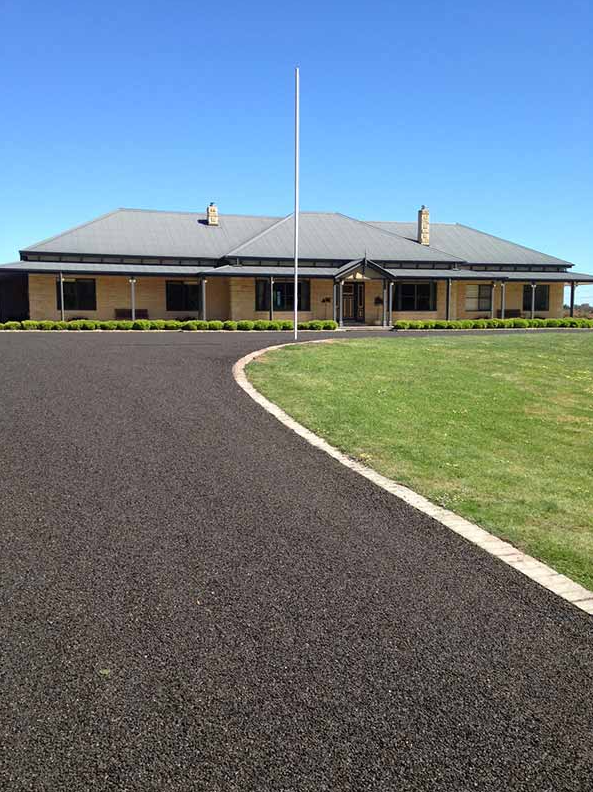
Installing a new asphalt surface can immediately improve the appearance and functionality of a driveway, access road or commercial parking area. However, the advantages of professional asphalt surfacing extend well beyond the day the installation is completed.
A properly constructed asphalt pavement can provide dependable vehicle access, a consistent driving surface, practical maintenance options and long-term usability. These benefits become particularly valuable as the surface experiences regular traffic, changing weather conditions and everyday wear.
For property owners and businesses in Camberwell, VIC, understanding the lasting advantages of asphalt surfacing can help when deciding whether to install a new pavement or improve an existing one. The key is recognising that long-term performance depends on appropriate pavement design, thorough ground preparation and professional installation.
Why Does Asphalt Remain a Practical Surfacing Choice?
Asphalt is widely used for residential and commercial surfacing because it combines durability, flexibility and versatility.
It consists of aggregates bound together with bitumen to form a continuous pavement surface. When correctly installed over a stable foundation, asphalt can accommodate regular vehicle movements while maintaining a relatively smooth and consistent finish.
Unlike loose gravel or other unsealed materials, asphalt creates a bound wearing surface that is less susceptible to material displacement during everyday use.
However, its performance depends on more than the asphalt mixture itself. The strength of the supporting pavement, effective drainage, appropriate compaction and ongoing maintenance all influence how well the surface performs over time.
When these elements are properly considered, the benefits of asphalt can continue for many years after installation.
1. A Consistent Surface for Everyday Vehicle Access
One of the most noticeable benefits of asphalt is the smooth driving surface it provides.
A newly installed asphalt driveway or access road can eliminate many of the irregularities associated with worn, rutted or uneven surfaces.
This improvement continues to provide practical value during everyday use.
Vehicles can travel along a defined route without encountering loose aggregate, deep wheel tracks or significant surface irregularities.
For residential properties, this can make entering, exiting and parking more convenient.
For commercial properties, a consistent surface can support regular vehicle movements across entrances, car parks and internal access routes.
The long-term benefit is not simply that the pavement looks smooth after installation. It is that a properly constructed surface can continue providing reliable access throughout its service life.
2. Durability Under Regular Traffic
Roads and driveways experience repeated loading every time a vehicle passes over them.
Asphalt is designed to distribute these loads through the pavement structure when the supporting layers are appropriate for the expected traffic.
This makes it suitable for many residential driveways, commercial access areas and parking surfaces.
However, durability depends on matching the pavement construction to its intended use.
A residential driveway used by passenger vehicles has different requirements from a commercial entrance accommodating regular delivery trucks.
If the pavement is designed for the expected loads, it is better positioned to resist premature deformation and structural deterioration.
For properties in Camberwell, VIC, professional assessment helps ensure the asphalt construction is suitable for the vehicles that will regularly use the surface.
3. Reduced Problems Associated With Loose Surfacing Materials
Unsealed driveways and access areas can experience movement of loose material under vehicle traffic.
Over time, repeated driving, braking and turning can displace aggregate, creating uneven wheel tracks and requiring additional surface maintenance.
Asphalt provides a bound wearing layer that holds its aggregate within the pavement mixture.
This helps maintain a more consistent surface during regular use.
It can also reduce the loose material that may otherwise be carried onto adjoining paved areas.
Although asphalt still requires maintenance as it ages, it generally does not need the routine reshaping associated with some unsealed surfaces.
This is a practical benefit that continues long after installation.
4. Improved Surface Drainage When Correctly Constructed
Effective drainage is essential for the long-term performance of any pavement.
When asphalt is installed with appropriate surface falls, rainfall can be directed away from the trafficable area towards suitable drainage points.
This helps reduce standing water and limits the opportunity for moisture to enter the supporting pavement through cracks or damaged sections.
Poor drainage can contribute to potholes, cracking, settlement and other forms of deterioration.
For this reason, professional asphalt surfacing should consider existing ground levels, surrounding surfaces and the direction of water runoff.
The benefit of correct drainage is ongoing.
A pavement that sheds water effectively is better positioned to protect its supporting layers and maintain a stable surface over time.
However, drainage routes must remain clear, and developing surface defects should be addressed before water penetration becomes more extensive.
5. A Neat Appearance That Enhances Property Presentation
Asphalt provides a uniform finish that can improve the appearance of residential and commercial properties.
A well-defined driveway creates a consistent entrance, while a professionally surfaced parking area can make a commercial property appear more organised and maintained.
This benefit is particularly noticeable when replacing an ageing or uneven surface.
Over time, asphalt will naturally experience weathering and changes in appearance. However, appropriate maintenance can help preserve its condition and prevent localised defects from affecting the overall surface.
For property owners in Camberwell, VIC, asphalt offers a practical combination of visual consistency and everyday functionality.
6. Practical Repair Options as the Surface Ages
No pavement remains in perfect condition indefinitely.
Regular traffic, moisture, temperature changes and natural ageing can eventually contribute to surface wear and cracking.
One of the continuing advantages of asphalt is that many forms of localised damage can be repaired without replacing the entire pavement.
For example, a damaged section may be removed and reinstated where the surrounding asphalt remains structurally sound.
Cracks may also be treated where appropriate to help limit moisture penetration.
The correct repair method depends on the type and extent of deterioration.
Early attention to developing defects can help prevent small areas of damage from spreading into adjoining pavement.
This repairability makes asphalt a practical surface to maintain throughout its working life.
7. The Potential for Future Resurfacing
Another long-term advantage of asphalt is that an existing pavement may be suitable for resurfacing when its wearing layer becomes deteriorated.
Resurfacing involves installing a new asphalt layer over a suitably prepared existing pavement.
This can restore the surface’s appearance and functionality while retaining supporting layers that remain structurally sound.
However, resurfacing is not appropriate for every damaged pavement.
If the existing surface has extensive cracking, deep rutting, significant settlement or unstable supporting materials, these problems must be addressed before a new layer is installed.
Professional assessment helps determine whether resurfacing is suitable or whether localised reconstruction is required.
The ability to renew a serviceable pavement is an important consideration when planning for long-term surface maintenance.
8. Versatility as Property Requirements Change
Asphalt can be used across a wide range of residential and commercial applications.
These include:
- Residential driveways
- Private access roads
- Commercial entrances
- Car parks
- Internal vehicle routes
- Shared access areas
- Suitable hardstands and service areas
This versatility makes asphalt useful for properties with different layouts and operating requirements.
However, changes in how a surface is used may affect its suitability.
For example, an area originally designed for passenger vehicles may require strengthening if it begins accommodating regular heavy truck movements.
An existing asphalt surface should be assessed before significant changes in vehicle loads or traffic frequency.
Where appropriate, pavement improvements can help accommodate the new requirements.
Why Proper Ground Preparation Provides Lasting Benefits
The long-term advantages of asphalt begin beneath the visible surface.
A properly prepared foundation provides the support needed to distribute vehicle loads and maintain pavement stability.
If asphalt is installed over weak, poorly compacted or unsuitable ground, the surface may eventually develop settlement, cracking and deformation.
These problems can occur even when the asphalt itself was initially installed with a smooth finish.
Professional ground preparation may involve excavation, grading, installing suitable pavement materials and compacting the supporting layers.
The exact requirements depend on the existing ground conditions and intended use of the surface.
For both residential and commercial properties, this preparation is essential because the supporting pavement influences how effectively the asphalt performs throughout its service life.
How Does Professional Compaction Improve Asphalt Performance?
Compaction is another important factor in achieving long-term pavement durability.
During installation, asphalt must be compacted appropriately to achieve the required density.
Correct compaction helps establish a consistent pavement structure and reduces excessive air voids.
If the asphalt is inadequately compacted, it may be more susceptible to moisture penetration, deformation and premature deterioration.
The supporting pavement layers also require appropriate compaction before asphalt installation.
Experienced contractors understand the importance of material condition, installation temperatures, rolling methods and consistent compaction.
These construction details may not be obvious once the surface is finished, but they can significantly influence its performance over time.
Does Asphalt Perform Well in Changing Weather Conditions?
Asphalt is designed to operate outdoors under changing environmental conditions.
However, temperature variations, rainfall and ongoing exposure can gradually affect the pavement.
In warmer conditions, asphalt may become more susceptible to deformation under concentrated or sustained heavy loads.
During cooler periods, pavement materials can contract, potentially contributing to cracking where stresses become excessive.
Water entering through existing cracks can also weaken supporting layers.
For asphalt surfaces in Camberwell, VIC, appropriate pavement construction and regular maintenance help manage these conditions.
Selecting suitable materials, maintaining drainage and addressing developing defects are important steps in preserving long-term performance.
Why Maintenance Matters After Installation
Although asphalt is durable, ongoing maintenance helps protect the benefits achieved during installation.
Small cracks, localised depressions and drainage problems should be investigated before they become more extensive.
Regular inspections are particularly useful for areas experiencing frequent traffic or concentrated vehicle movements.
Practical maintenance measures include:
- Monitoring the surface for developing cracks
- Repairing potholes before surrounding pavement deteriorates
- Keeping drainage routes clear
- Checking for rutting and settlement
- Inspecting pavement edges
- Addressing areas where water regularly collects
- Arranging professional assessment when defects repeatedly return
The appropriate maintenance approach depends on the condition and intended use of the pavement.
The objective is to preserve serviceable asphalt and correct developing problems before they affect larger areas.
When Should an Existing Asphalt Surface Be Improved?
Over time, an asphalt surface may begin showing signs that repairs or resurfacing are required.
Common indicators include widespread surface wear, cracking, localised potholes, uneven sections and deterioration around frequently used vehicle routes.
The appropriate treatment depends on whether the damage is limited to the wearing surface or extends into the supporting pavement.
Where the base remains stable, localised repairs or resurfacing may be suitable.
Where there is significant structural deterioration, additional pavement preparation or reconstruction may be necessary.
A professional assessment helps determine the extent of the damage and identify the most appropriate method of restoring the surface.
Why Experienced Asphalt Contractors Make a Difference
The lasting benefits of asphalt depend on the quality of the work completed before and during installation.
Professional contractors consider ground conditions, drainage, expected traffic, pavement thickness and material selection.
They also ensure that the supporting pavement is appropriately prepared and that the asphalt is installed and compacted correctly.
This approach helps reduce avoidable weaknesses that may otherwise lead to premature deterioration.
For property owners and businesses in Camberwell, VIC, experienced asphalt surfacing provides greater confidence that the pavement has been constructed for its intended use.
A well-planned installation focuses not only on the immediate finished appearance but also on how the surface is expected to perform over time.
Conclusion
The benefits of asphalt surfacing extend well beyond the initial installation. A properly constructed pavement can continue providing smooth vehicle access, dependable performance, a consistent appearance and practical maintenance options throughout its service life.
Its suitability for residential driveways, access roads, car parks and commercial areas makes asphalt a versatile choice for many properties.
However, these advantages depend on correct pavement design, stable supporting layers, effective drainage, appropriate compaction and ongoing maintenance.
Investing attention in the preparation and installation process helps ensure that the finished asphalt provides lasting practical value rather than simply an immediate improvement in appearance.
Camberwell Road Tech provides professional asphalt and bitumen surfacing, resurfacing and pavement preparation services in Camberwell, VIC. If you are considering a new asphalt driveway, access road or commercial surface, contact our team to discuss your requirements and arrange an assessment of the site.
Call us on: 03 9068 7895
Click here to find out more about Camberwell Road Tech
Click here to complete our contact form and see how we can help with your driveway needs.