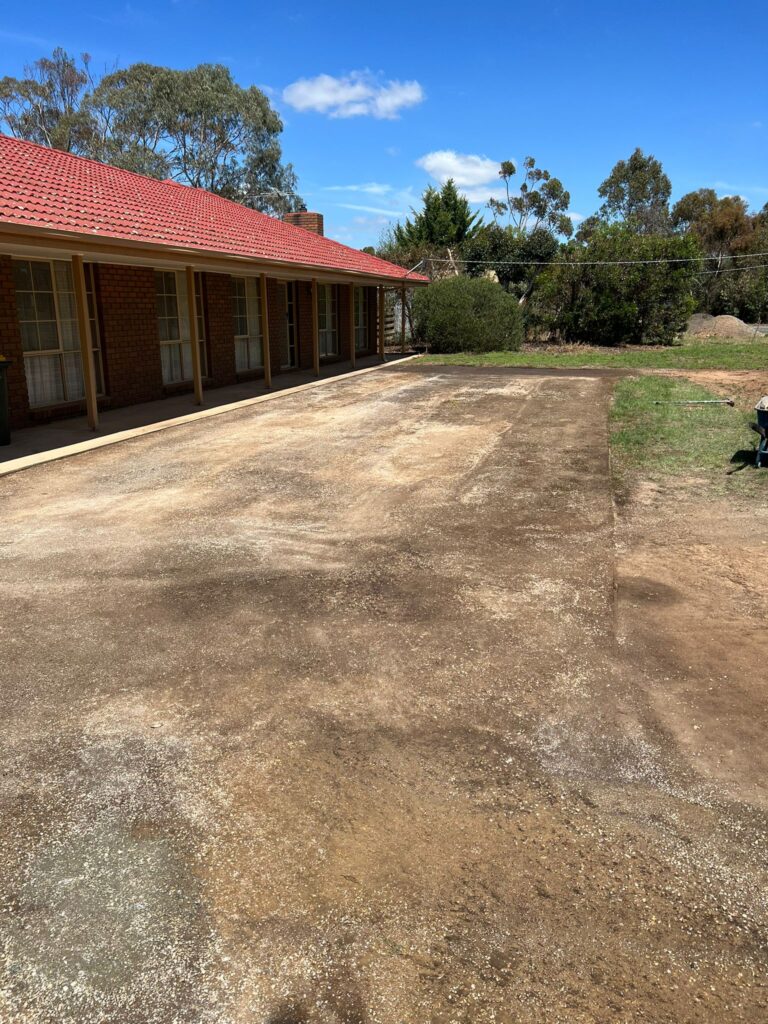
A good asphalt surface should provide smooth, predictable access for vehicles and pedestrians. When it becomes noticeably rough, uneven or uncomfortable to travel across, it is often a sign that the pavement is beginning to deteriorate. The important question is not simply how to make the surface look better, but why it has become rough in the first place.
Some rough asphalt surfaces can be restored through targeted repairs or resurfacing. Others may have deeper problems involving the pavement base, drainage or repeated structural movement. Choosing the right solution therefore starts with assessing the condition of the complete pavement.
At Camberwell Road Tech, we provide professional asphalt repairs and resurfacing throughout Camberwell, VIC. By identifying the cause and extent of deterioration first, an appropriate solution can be selected rather than simply covering over existing problems.
What Causes an Asphalt Surface to Become Rough?
Asphalt can gradually lose its smooth, consistent finish for several reasons. Normal ageing plays a role, but traffic loading, water infiltration and pavement movement can accelerate the process.
A rough surface may develop because of:
- Surface wear and loss of material
- Cracking
- Potholes
- Previous repairs becoming uneven
- Rutting and depressions
- Weak pavement edges
- Poor drainage
- Movement within the underlying base
More than one of these conditions can occur at the same time. For this reason, the visible roughness should be treated as a symptom until the underlying cause has been identified.
Start by Determining Whether the Problem Is Surface-Level
The first step is establishing how deep the deterioration extends.
If the asphalt has become weathered or moderately worn while remaining relatively level and structurally stable, the problem may largely involve the upper surface.
That creates different repair possibilities from a pavement that moves under vehicles, contains deep depressions or has extensive structural cracking.
An experienced contractor can assess the type of deterioration and determine whether the supporting pavement remains suitable.
This distinction is important because resurfacing can renew worn asphalt, but it cannot compensate for a badly failed foundation underneath.
Loose and Fretting Asphalt Should Be Investigated
A rough texture can develop when small particles and aggregate begin separating from the asphalt.
This deterioration is sometimes referred to as fretting or ravelling. It can initially appear as a slightly coarse section before progressively more material becomes loose.
As surface material is lost, the asphalt becomes increasingly irregular and vulnerable to further wear.
Early assessment can determine whether the deterioration remains superficial or whether more extensive repairs are needed before resurfacing.
Cracking Can Make the Surface Progressively Rougher
Cracks affect more than the appearance of asphalt.
Once cracks open, their edges can begin breaking away under repeated vehicle loading. This creates irregular sections that become increasingly noticeable when driving across the pavement.
Cracks can also allow water to reach the layers underneath.
If moisture weakens the supporting pavement, additional movement can occur and the original cracking may become part of a much larger deterioration problem.
The extent and pattern of cracking should therefore be assessed rather than simply covered.
Potholes Need Proper Repair
Potholes are one of the clearest causes of a rough asphalt surface.
They develop when pavement material breaks away, often after cracking, moisture infiltration and traffic have weakened a section.
Simply placing new asphalt over the top of a pothole does not necessarily restore the pavement underneath.
A proper repair may require damaged and unstable material to be removed so that the supporting section can be restored and compacted before the surface is reinstated.
If several potholes are appearing across the same pavement, it is also worth determining whether broader resurfacing or structural work is required.
Uneven Repairs Can Contribute to a Patchy Surface
Older asphalt areas often contain repairs completed at different times.
Individual patches may have been appropriate when each defect appeared, but after numerous repairs the pavement can develop inconsistent levels and textures.
Vehicles may begin travelling across a sequence of raised patches, depressions and older asphalt sections.
At this stage, continuing to repair every small defect individually may no longer provide the most consistent result.
If the pavement underneath remains suitable, resurfacing can provide an opportunity to create a more uniform wearing surface.
Rutting Can Indicate a Deeper Problem
Ruts are depressions that develop along frequently travelled wheel paths.
Minor surface deformation may initially seem like little more than an inconvenience, but deeper rutting can indicate that the pavement is struggling under traffic loads.
It can also interfere with drainage because rainfall begins collecting or travelling along the wheel tracks.
The cause of rutting needs to be established before resurfacing. If deformation is occurring within the supporting layers, those sections may require reconstruction or strengthening first.
Covering unstable ruts with new asphalt without addressing the underlying movement can allow the problem to return.
Check What Happens When It Rains
Rainfall can reveal problems that are less obvious when the pavement is dry.
A rough surface containing depressions may begin holding water. Cracks and potholes can also provide routes for moisture to enter the pavement.
After rainfall, pay attention to areas where water repeatedly remains on the asphalt.
Persistent pooling can indicate:
- Low sections
- Rutting
- Settlement
- Poor surface falls
- Localised pavement deformation
Correcting drainage and levels can be an important part of restoring the pavement.
Can Localised Repairs Restore Rough Asphalt?
Localised repairs can be effective when deterioration is confined to specific areas.
For example, a limited pothole, failed edge or isolated depression may be repaired without resurfacing an otherwise serviceable pavement.
The key is ensuring the surrounding asphalt and underlying pavement remain stable.
Where defects are scattered across a large proportion of the surface, repeated individual repairs may leave the pavement increasingly inconsistent. A broader treatment may then deserve consideration.
When Is Asphalt Resurfacing Appropriate?
Resurfacing can be an effective solution for an ageing or rough asphalt pavement when the underlying structure remains fundamentally sound.
Before new asphalt is installed, existing defects should be repaired and the surface properly prepared.
Resurfacing can then provide a renewed wearing layer, helping restore:
- A smoother driving surface
- More consistent pavement levels
- A uniform finish
- Improved everyday usability
- Better protection for the existing pavement
It can be particularly useful where general surface deterioration has become widespread but complete reconstruction is unnecessary.
Resurfacing Should Not Hide Structural Failure
One of the most important principles in asphalt restoration is that a new surface should not simply conceal a failed pavement.
If the base underneath has lost strength, new asphalt will still depend on that unstable material for support.
Signs of potentially deeper deterioration include widespread interconnected cracking, substantial depressions, recurring potholes, severe rutting and noticeable pavement movement.
Affected areas may need to be excavated and rebuilt before resurfacing proceeds.
Addressing these weaknesses first provides the new surface with a more dependable foundation.
Edge Damage Should Be Corrected as Well
A pavement can also become increasingly rough as deterioration spreads inward from its boundaries.
Asphalt edges need suitable support. If surrounding material erodes or vehicles regularly travel over unsupported sections, cracking and breakaway can develop.
Once part of the edge fails, the neighbouring asphalt becomes exposed to similar stresses.
Restoring edge support and repairing damaged sections can help prevent this deterioration from continuing across the wider pavement.
Consider How the Surface Is Actually Being Used
The appropriate repair approach should also reflect the traffic using the pavement.
A driveway primarily carrying passenger vehicles experiences different demands from a commercial access area regularly used by heavier vehicles.
Turning, braking and repeated stationary loads can place additional stress on particular sections.
If the existing pavement was not designed for its current traffic demands, simply restoring the surface may not address the reason deterioration developed.
Professional assessment allows future use to be considered alongside the present condition.
Why Preparation Matters Before New Asphalt Is Installed
The quality of resurfacing depends heavily on what happens before the final asphalt layer is placed.
Preparation may involve repairing failed sections, correcting levels, improving drainage, treating damaged areas and ensuring the existing pavement is suitable to receive the new surface.
The aim is to create a stable and consistent foundation.
Without appropriate preparation, weaknesses underneath can eventually become visible through the renewed asphalt.
This is why professional resurfacing involves considerably more than applying a fresh layer over an ageing pavement.
The Best Solution Depends on the Cause
There is no single repair method suitable for every rough asphalt surface.
Minor localised deterioration may require targeted repairs. Widespread surface wear over a structurally stable pavement may make resurfacing appropriate. Significant base failure may require sections to be reconstructed before a new surface is installed.
The most effective approach is therefore to determine three things:
- What has caused the roughness?
- How far has the deterioration progressed?
- Is the supporting pavement still structurally suitable?
Once those questions are answered, unnecessary work can be avoided while the areas that genuinely need attention can be treated properly.
Conclusion
The best way to deal with a rough asphalt surface is to identify why it has deteriorated before choosing a repair method. Potholes, cracks, rutting, loose material, poor drainage and uneven previous repairs can all create a rough pavement, but they do not necessarily require the same solution.
Where deterioration is localised, targeted repairs may restore the affected areas. Where the asphalt is generally worn but the underlying pavement remains sound, resurfacing can provide a smooth and consistent new wearing surface. If structural failure has developed underneath, the weakened areas should be corrected before new asphalt is installed.
Camberwell Road Tech provides professional asphalt repairs and resurfacing throughout Camberwell, VIC. If your driveway, accessway or commercial asphalt surface has become rough, uneven or increasingly difficult to use, contact our team to arrange an assessment and discuss an appropriate solution for restoring a smoother, more dependable pavement.
Call us on: 03 9068 7895
Click here to find out more about Camberwell Road Tech
Click here to complete our contact form and see how we can help with your driveway needs.